


Cooking, Culture, and Care: Preserving Kurbin’s Culinary Heritage
January 23, 2026
Kurbin is a quiet corner of northern Albania. It rarely appears on tourist maps, yet it holds something precious, flavours shaped by time, landscapes shaped by care, and people shaped by resilience. Those who pass through often remember not only what they saw, but who they met: generous, grounded people who carry their heritage in everyday life.
It was in this spirit that “Timeless Tastes: Indulge into the flavours and ballads of Kurbin”, a project implemented by the Albanian Local Capacity Development Foundation (ALCDF) under the EU4Culture programme took root. Its aim was simple but profound: to bring Kurbin’s hidden heritage into the light by connecting tradition with skills, community, and sustainable tourism.
At the heart of this journey stood Dhurata Thanasi, a culinary entrepreneur and food activist. Rather than working in classrooms or studios, Dhurata chose kitchens, gardens, and family courtyards. Here, generations met grandmothers, mothers, and young people sharing recipes, memories, and quiet wisdom passed down through hands rather than books.
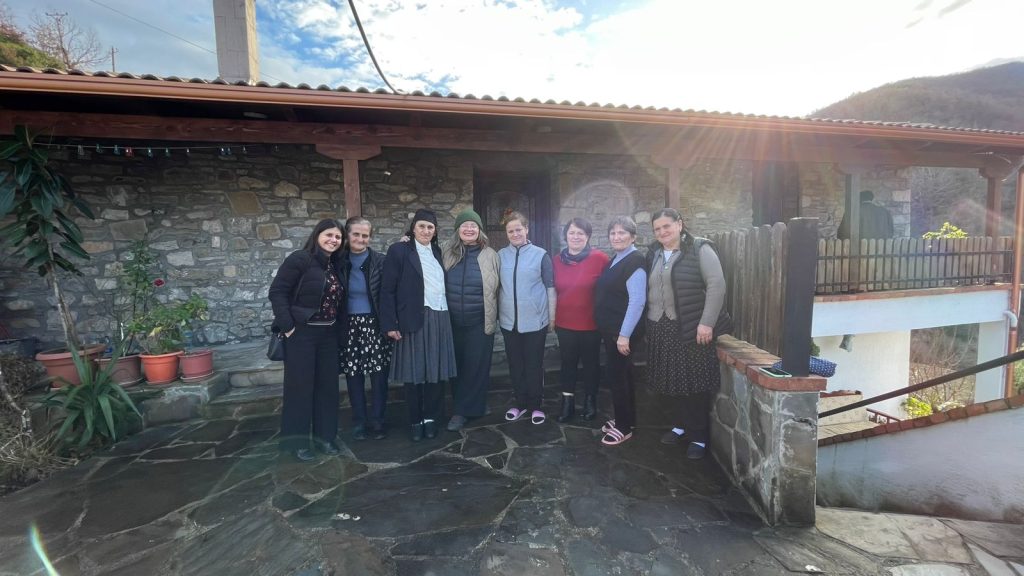
Dhurata has long worked with farmers and artisans across Albania to protect biodiversity and support local economies. In Kurbin, she found something deeper: a living archive of culture. Every pot, every gesture, every pause while stirring, told a story of care.
“The food of Kurbin doesn’t shout,” she says. “It whispers.”
Wild greens gathered at just the right moment. Bukënore bread, baked slowly, with patience. Meals shaped not on trends, but by what the land could truly offer. Kurbin’s cuisine reflects intelligence shaped by necessity knowing when to harvest, how to preserve, how to feed a family.
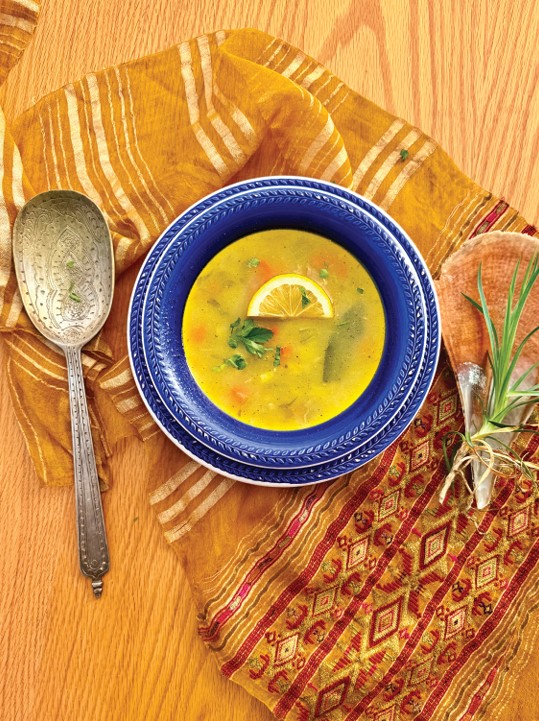
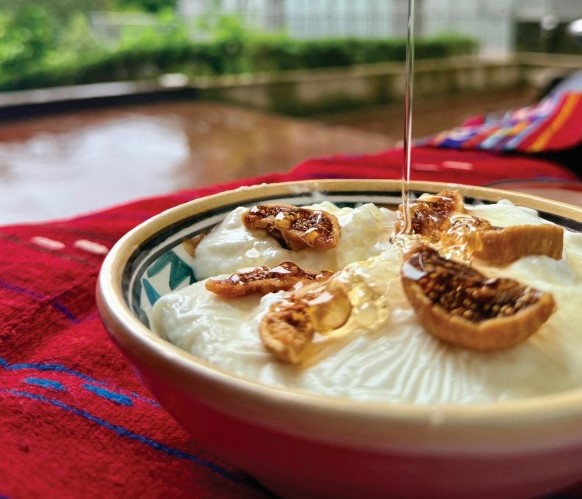
As she recalls the women who led the culinary sessions alongside her, Dhurata smiles. “Every woman has her own way”, she says. Her own balance, her own rhythm. Power doesn’t come from big words, it comes from confidence. When a woman says, ‘This is how my mother did it, but this is how I do it,’ that is empowerment.”
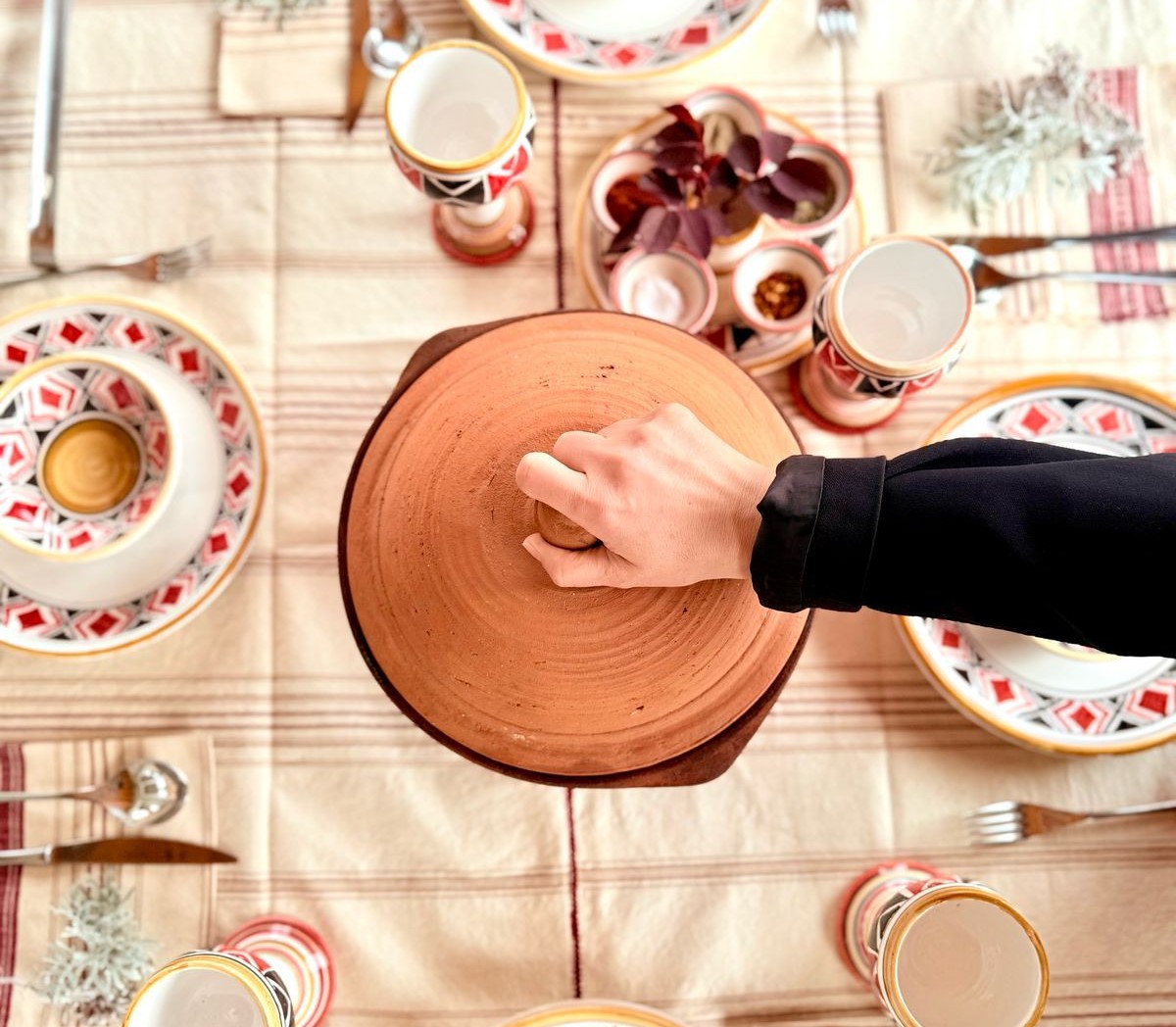
The workshops also revealed something often overlooked: culinary heritage in Kurbin was always shared. Women preserved recipes and techniques, while men upheld rituals of hospitality, tending the fire, preparing meat, crafting and maintaining tools like the saç and çerep.
For Dhurata, taste itself is a memory. She remembers her grandmother guiding her hands as a child, teaching without explanation but through movement, patience, and trust.
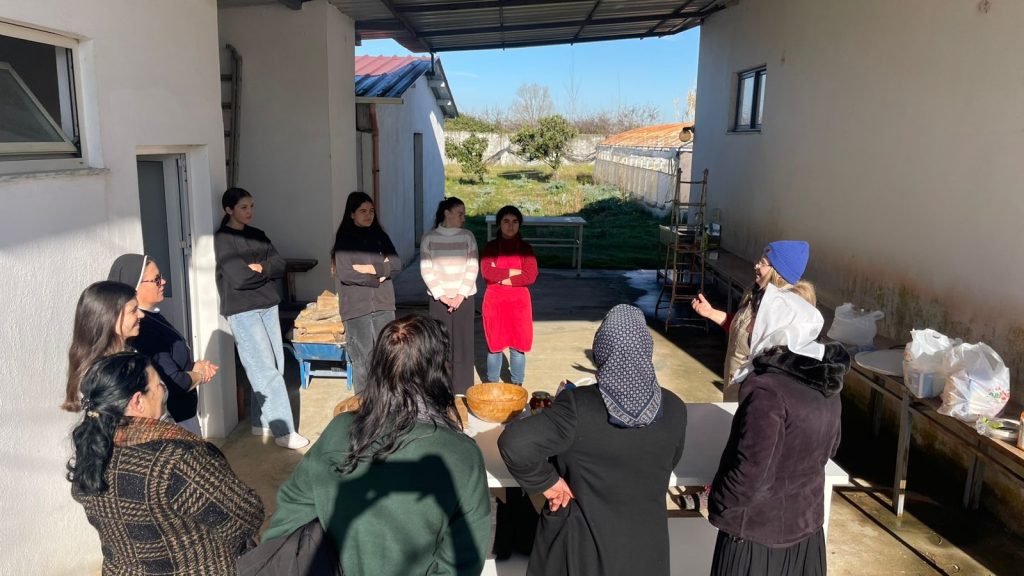
“Tradition survives not because it is old,” she says, “but because it is practiced.” From this shared process emerged the Recipe Book of Kurbin, published by ALCDF, more than a collection of dishes, it became a recognition of women’s authorship and family knowledge. Young people began to ask questions, women spoke with renewed pride, and what had always existed was finally seen.
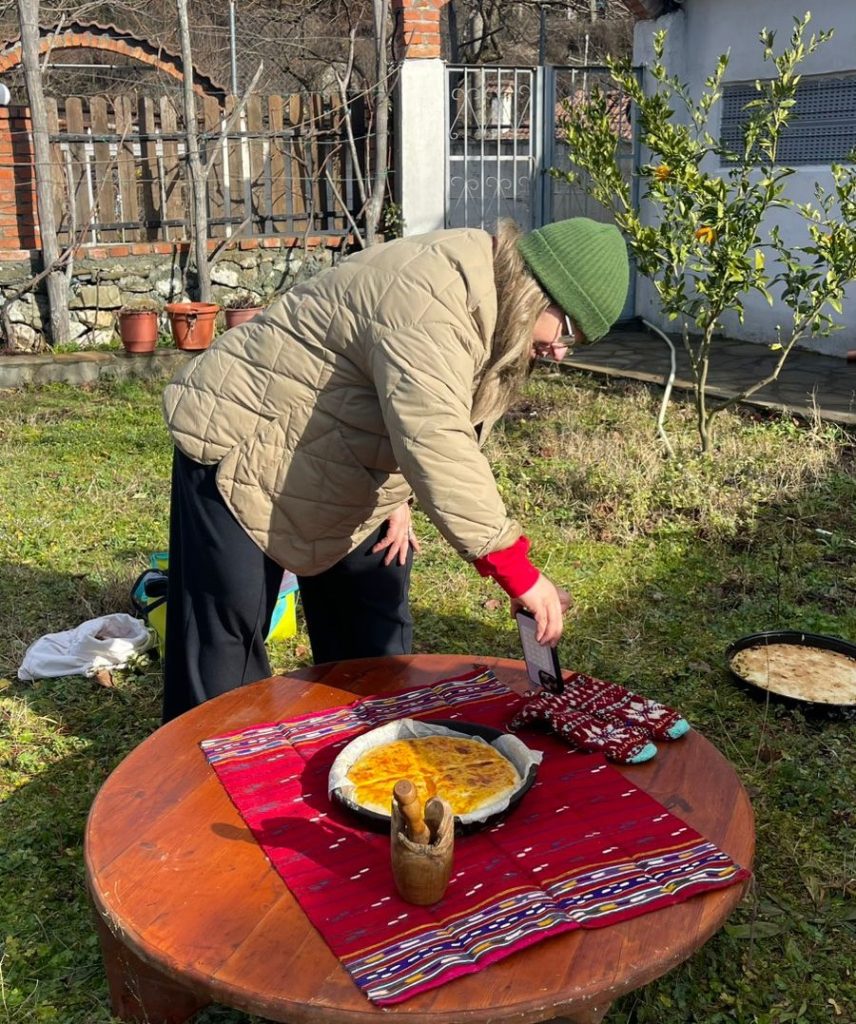
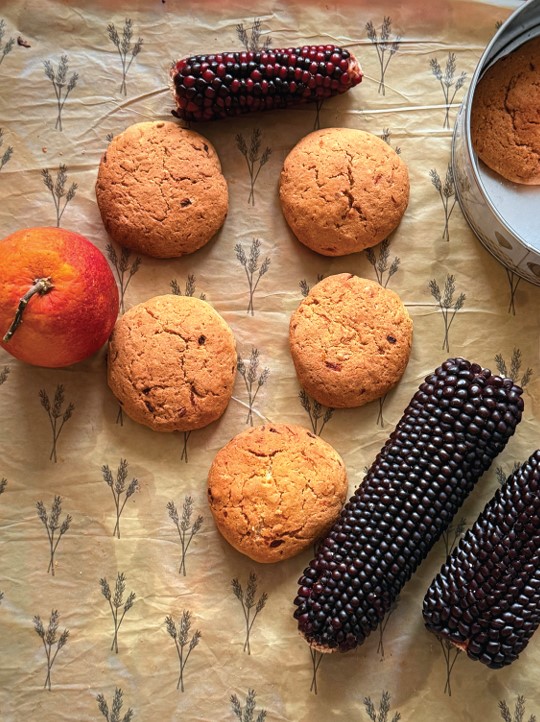
Initiatives like EU4Culture create space for these voices to rise and for traditions to continue evolving. The work guided by Dhurata Thanasi affirms a simple truth: culinary heritage is not something we merely inherit, it is something we practice together.
Explore the flavors of Kurbin. Download the recipe book here!
