


Blerina Shalari – A Strong Voice for Inclusion in Albania
December 3, 2025
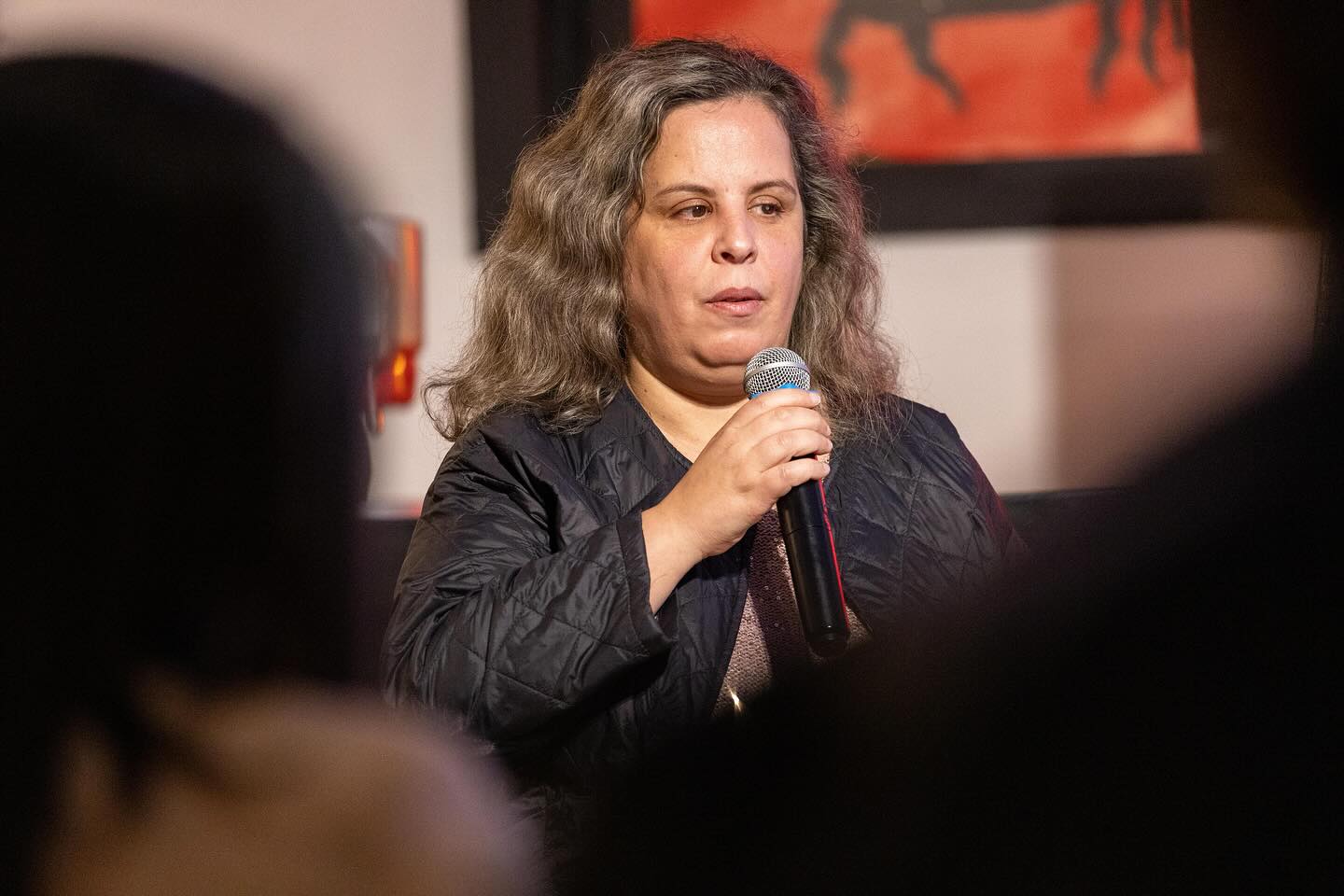
For people with disabilities in Albania, taking part in cultural life can still be challenging. Yet artists like Blerina Shalari are helping to shift this reality, showing how inclusion can become part of the way culture is created, shared, and experienced.
Blerina participated in ANNEX Labs, a project by United Nations Association Albania supported under the AEU4Culture grants programme, implemented by UNOPS in partnership with Albania’s Ministry of Tourism, Culture and Sports.
The initiative introduced accessible tools and practices for audiences with visual impairments, while encouraging cultural professionals to approach heritage and the arts with inclusion in mind. Activities included audio description support for theatre and film, accessible design labs, and workshops on inclusive storytelling.
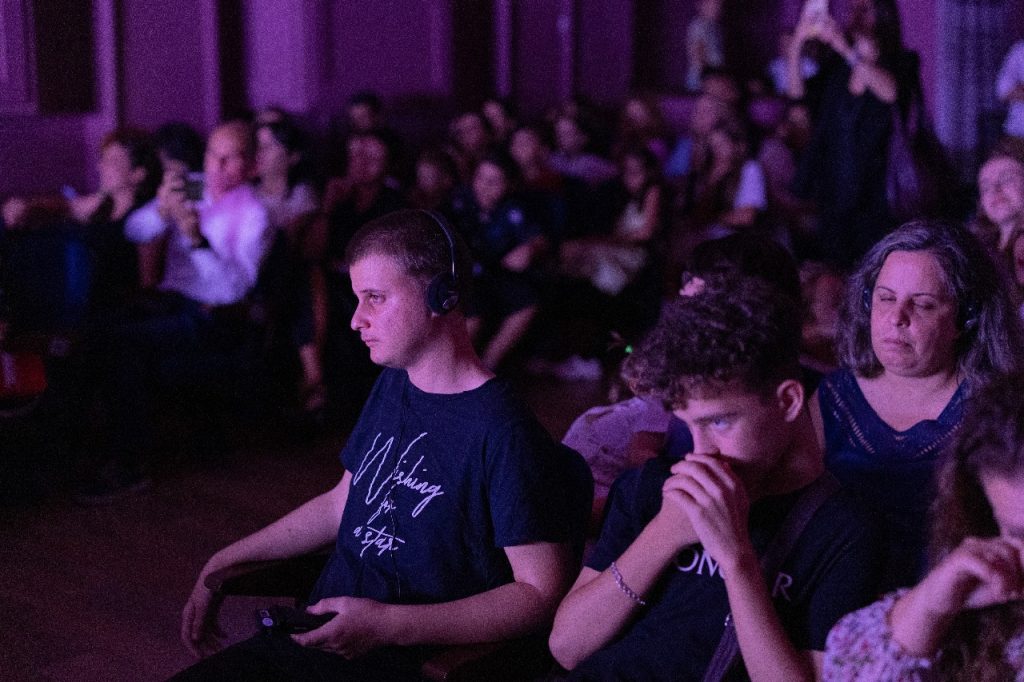
Blerina brought fresh perspectives on accessibility and empowerment, sparking broader conversations within civil society. The initiative also offered a practical example of what accessible environments can look like. In her words, “the project opened a dialogue with society and showed how initiatives like this can be expanded and multiplied.” More than an experiment, it became a blueprint for imagining spaces where disability is not an afterthought, but a fundamental part of public discourse.
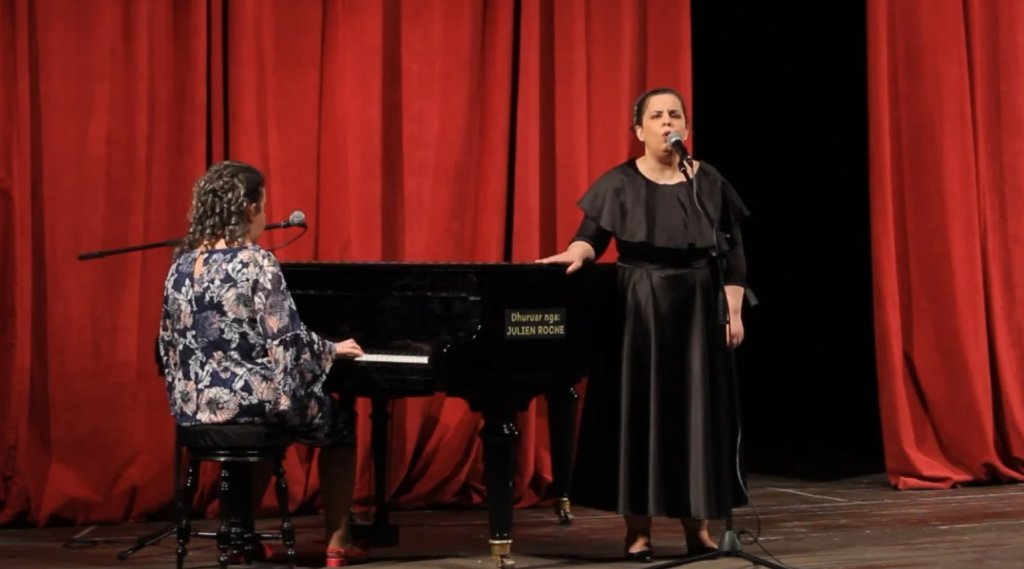
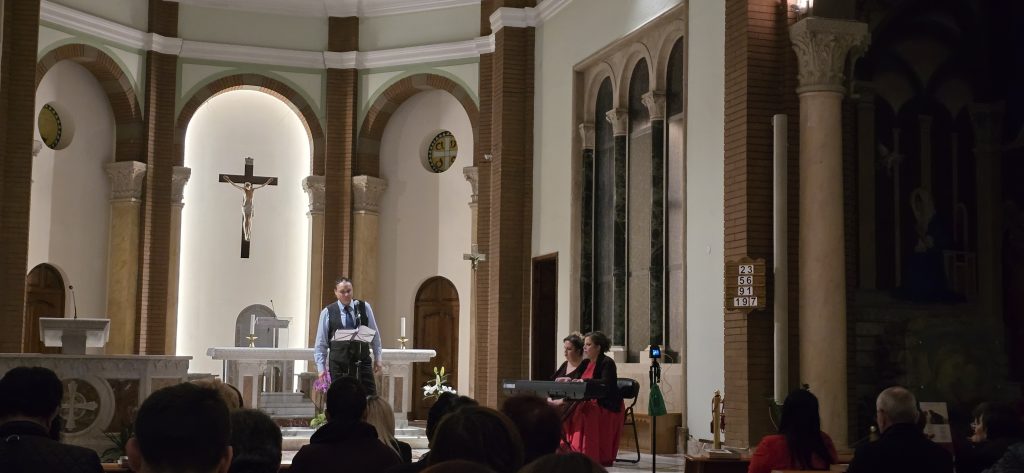
Music has always been a defining chapter of Blerina’s journey. A demanding field for anyone, it presents even greater challenges for people with visual impairments, particularly when seeking support, funding, or opportunities. Yet Blerina confronts these barriers with determination. “Everyone should be able to pursue their talent without their disability being seen as a limitation. Success is possible for anyone. Just think about Andrea Bocelli,” she says. She hopes to be recognized as a person of good character. To her, other forms of fame are brief and insignificant. Nevertheless, she values recognition: “I love well-deserved recognition, and I will strive for it.”
When she speaks about empowerment, her words resonate deeply. “Without false modesty, I do feel empowered,” she affirms. Her passion and profession grant her independence, even spiritually, and this freedom fuels her desire to occupy space in the public sphere, speak openly, and reduce stigma around disability. Through music, critical writing, and poetry, Blerina strives to be judged for her artistic merit, not her condition.
Blerina believes that people with disabilities must both claim space in public life and actively raise awareness about their needs, identity, and aspirations. For meaningful cultural change, she argues, institutions must take the lead. Dedicated grants, targeted policies, and the removal of symbolic, logistical, and physical barriers are essential to nurture the talents of artists with disabilities. Projects like ANNEX Labs demonstrate how inclusion and accessibility, approaches central to UNOPS’s work, can facilitate equal participation and support creative engagement.
Blerina Shalari’s story is one of courage, determination, and the drive to turn personal experience into collective progress. Through her work and voice, she is helping build a future where disability is understood as one of the many ways people live and contribute, enriching Albania’s cultural and social life. Her journey is a testament to the importance of fostering communities where every individual can live fully, create freely, and exercise their rights without barriers.
